
AI Masterclass Blog
Explanations, background, and advice for curious students.
Latest articles

What a token is and why your sentence costs more than mine
A language model does not read words. It reads tokens, pieces of text chosen by counting which pairs of characters occur together most often. Byte pair encoding on a corpus of five words, four merges, and why the same sentence costs more in Hindi than in English.
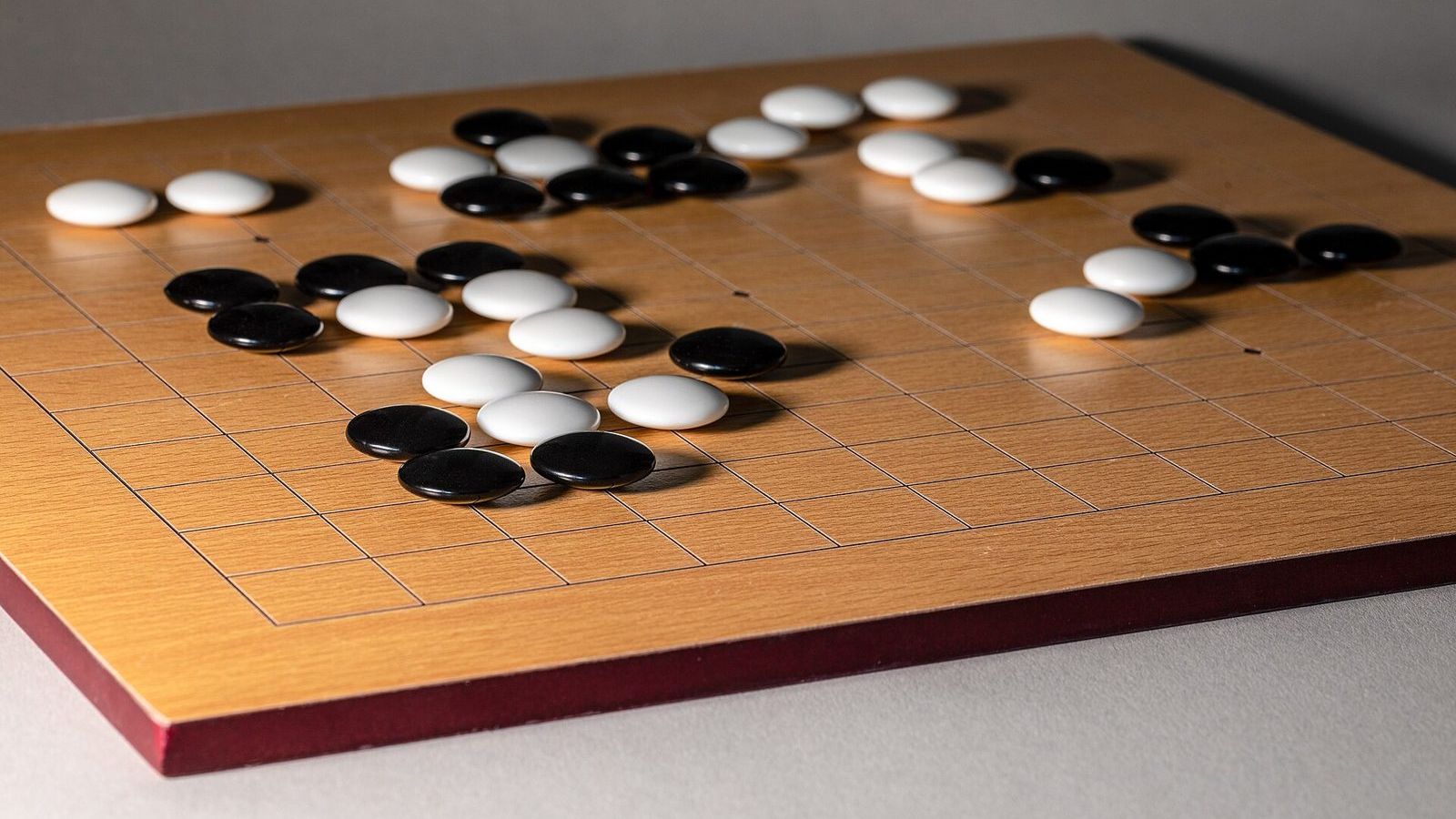
Move 37, the Go move no human would have played
On 10 March 2016, in the second game against Lee Sedol, AlphaGo placed a stone on the fifth line that its own policy network rated as a 1 in 10,000 choice for a human player. Commentators thought it was a mistake. It won the game.
Why a learning rate that is too large ruins everything
Four runs of gradient descent on the same bowl with learning rates of 0.05, 0.25, 0.75, and 1.1. One crawls, one converges, one oscillates, and one explodes, and the loss curve of each tells you which within ten steps.

AlexNet and the 2012 result that changed artificial intelligence
A top-5 error of 15.3 per cent against 26.2 for the next entry, on 1.2 million photographs, from a network trained for six days on two graphics cards bought for playing games. Why one competition result is dated as the start of an era.

What a convolutional network sees
A 5 by 5 image, a 3 by 3 kernel, and the nine products that give one output pixel. The feature map computed in full, the reason a convolutional layer has 23,000 weights where a fully connected one has 150 million, and what the first layer of a trained network looks like.

How a spam filter decides
Six words, twenty emails, and a new message. A naive Bayes filter multiplies a handful of probabilities, adds one to every count so nothing is impossible, and works in logarithms so the numbers stay sane. Every step shown.

The XOR problem and the book that cooled a field
A function of two inputs that a single layer of weights cannot compute, a 1969 book that proved it, and the hidden layer of two neurons that answers it. Why the simplest counterexample in the field mattered so much.
How a computer finds the shortest route
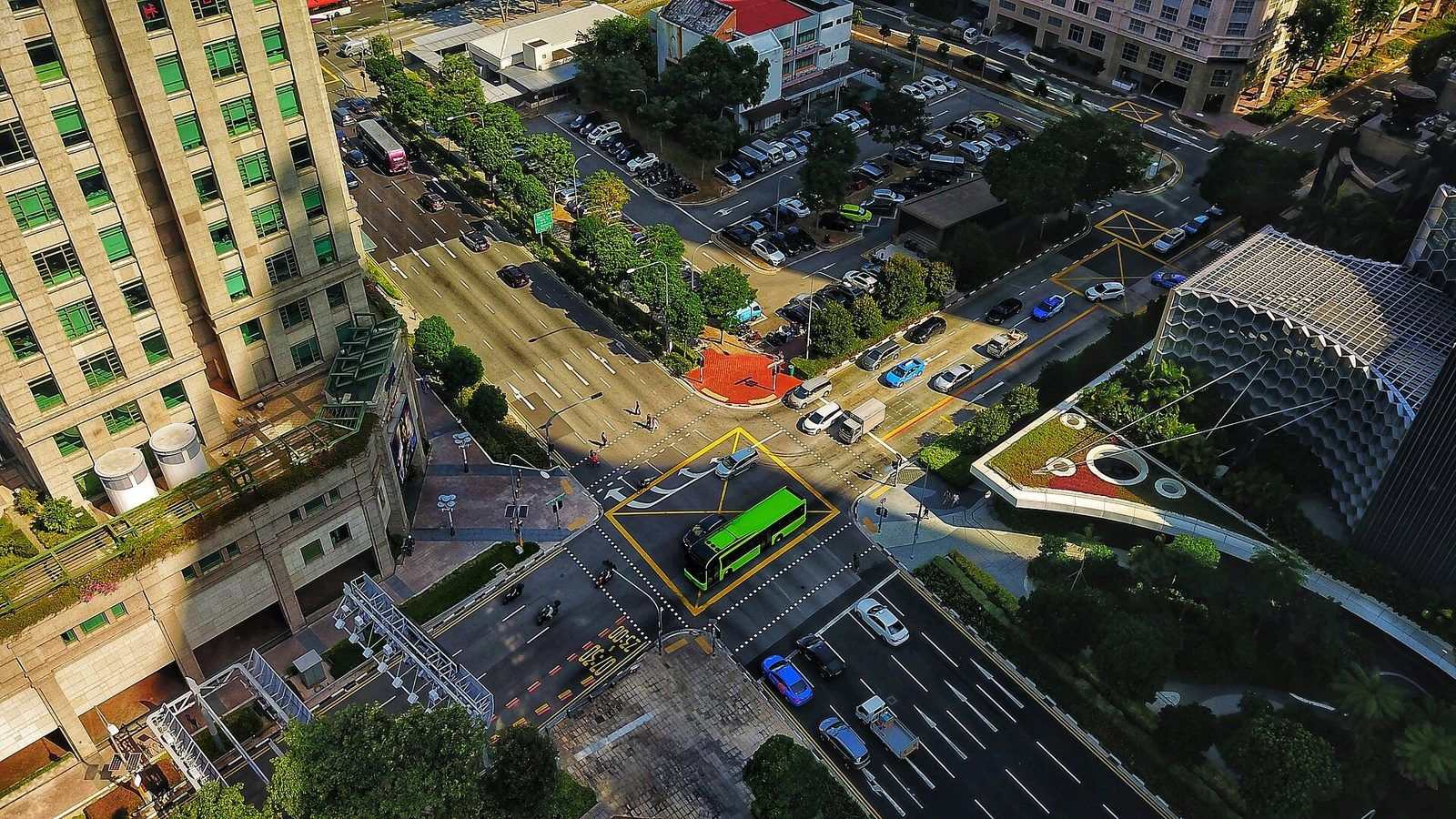
A route planner does not know the map. It explores it, one cell at a time, and the order of exploration is the whole art. Breadth-first search and A* on a 5 by 5 grid with a wall, the explored cells counted.

How to start learning AI in high school
Mathematics first, then a programming language, then a notebook of your own. What to learn in which order between 14 and 18, where the olympiads fit, and what a university admissions tutor is looking for.