
Neural networks and computer vision
From the perceptron of 1958 and the XOR problem to backpropagation, the 2012 ImageNet result, and what a convolutional network sees, with the units on vision.
Articles

How to read an AI paper as a beginner
A machine learning paper is read in an order that is not the order it is printed in: the abstract, then the figures, then the main results table, then the ablations, and only then the method. The 2015 residual networks paper as the worked example, with the places where the caveats hide.
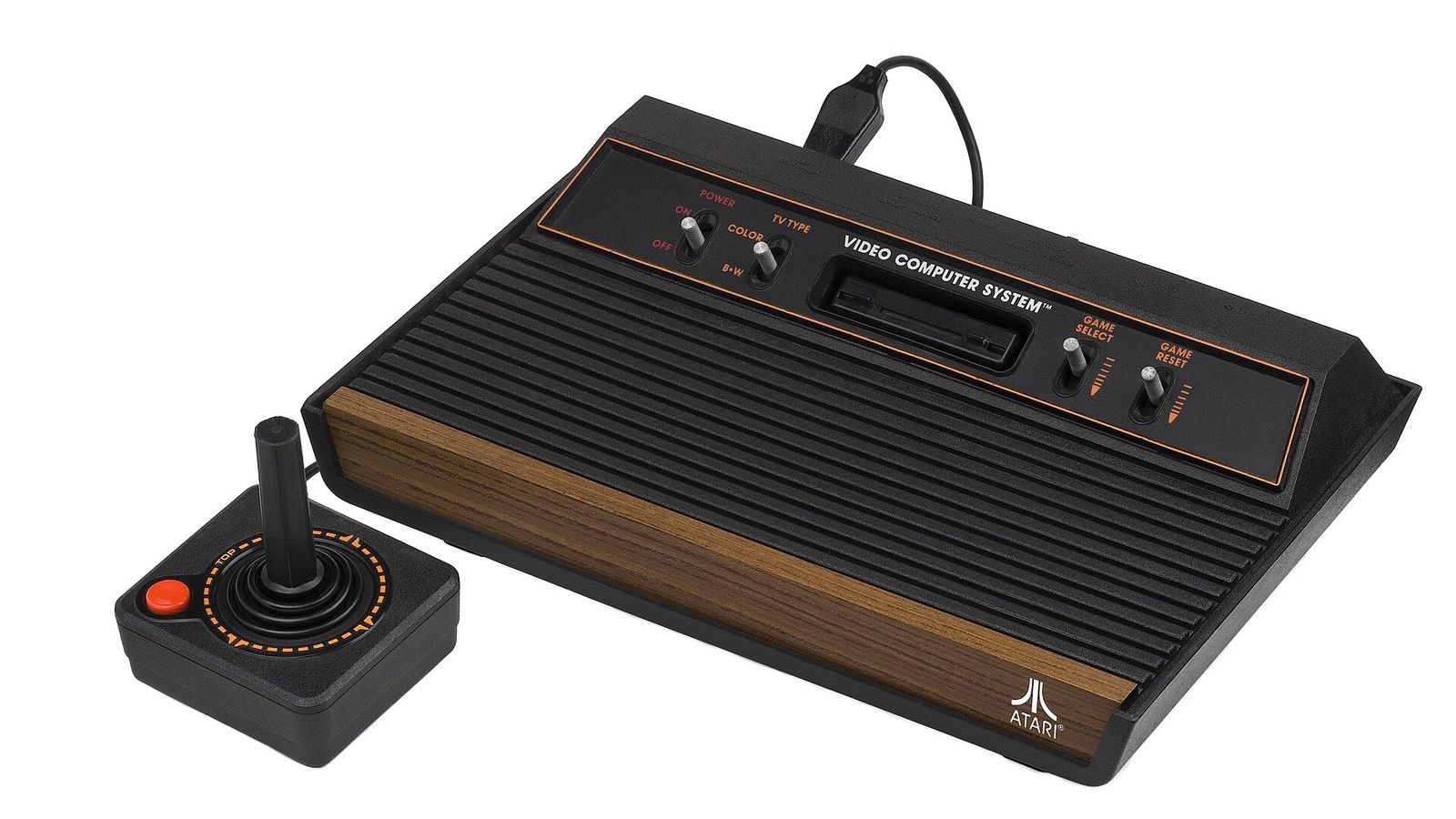
How many games does it take to learn Atari?
In 2015 one network learned 49 Atari games from the pixels on the screen, with the same settings for every game. It needed 50 million frames per game, about 38 days of continuous play. A person needs an evening. The gap is the central problem of reinforcement learning.
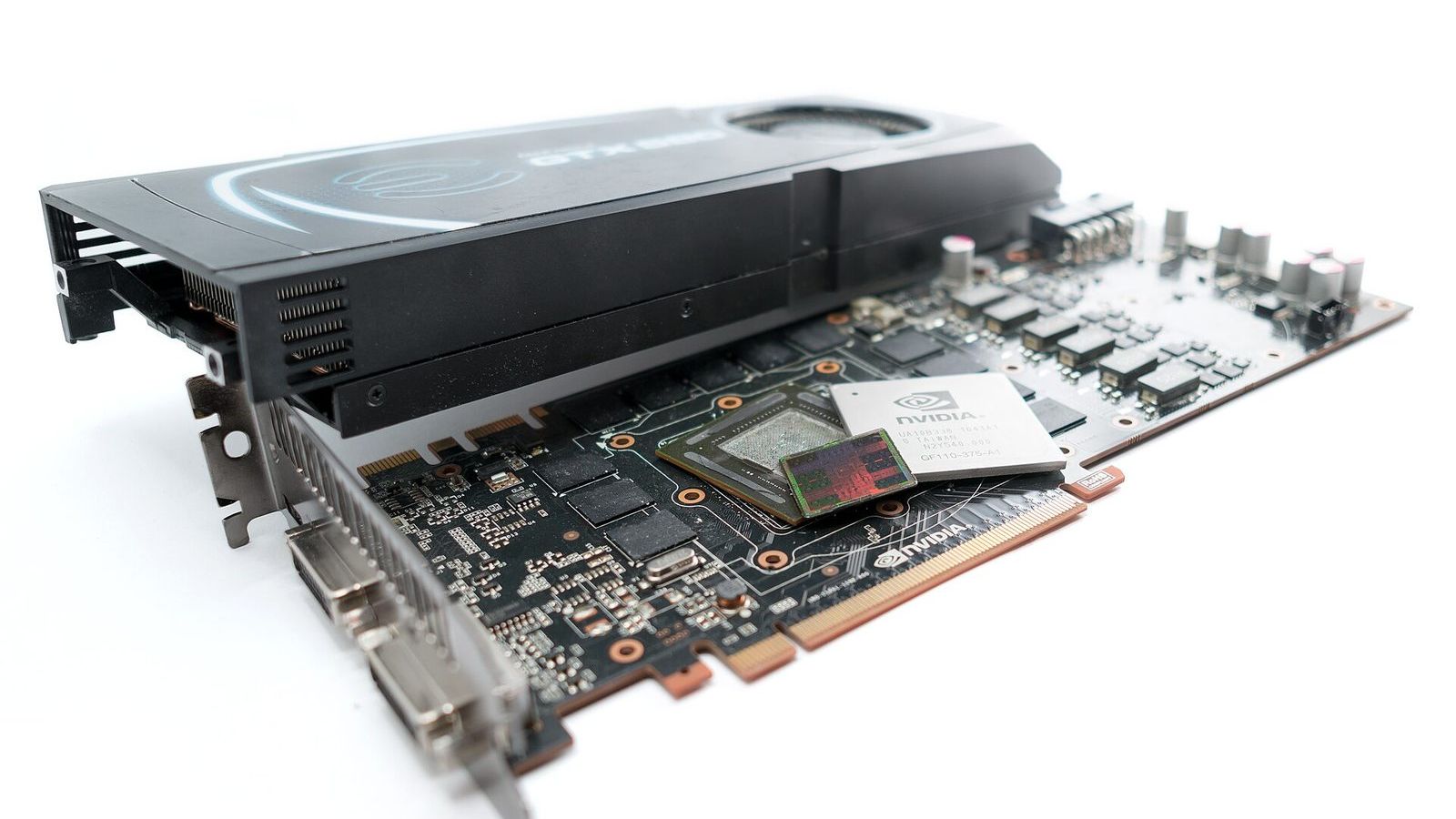
AlexNet and the 2012 result that changed artificial intelligence
A top-5 error of 15.3 per cent against 26.2 for the next entry, on 1.2 million photographs, from a network trained for six days on two graphics cards bought for playing games. Why one competition result is dated as the start of an era.

What a convolutional network sees
A 5 by 5 image, a 3 by 3 kernel, and the nine products that give one output pixel. The feature map computed in full, the reason a convolutional layer has 23,000 weights where a fully connected one has 150 million, and what the first layer of a trained network looks like.
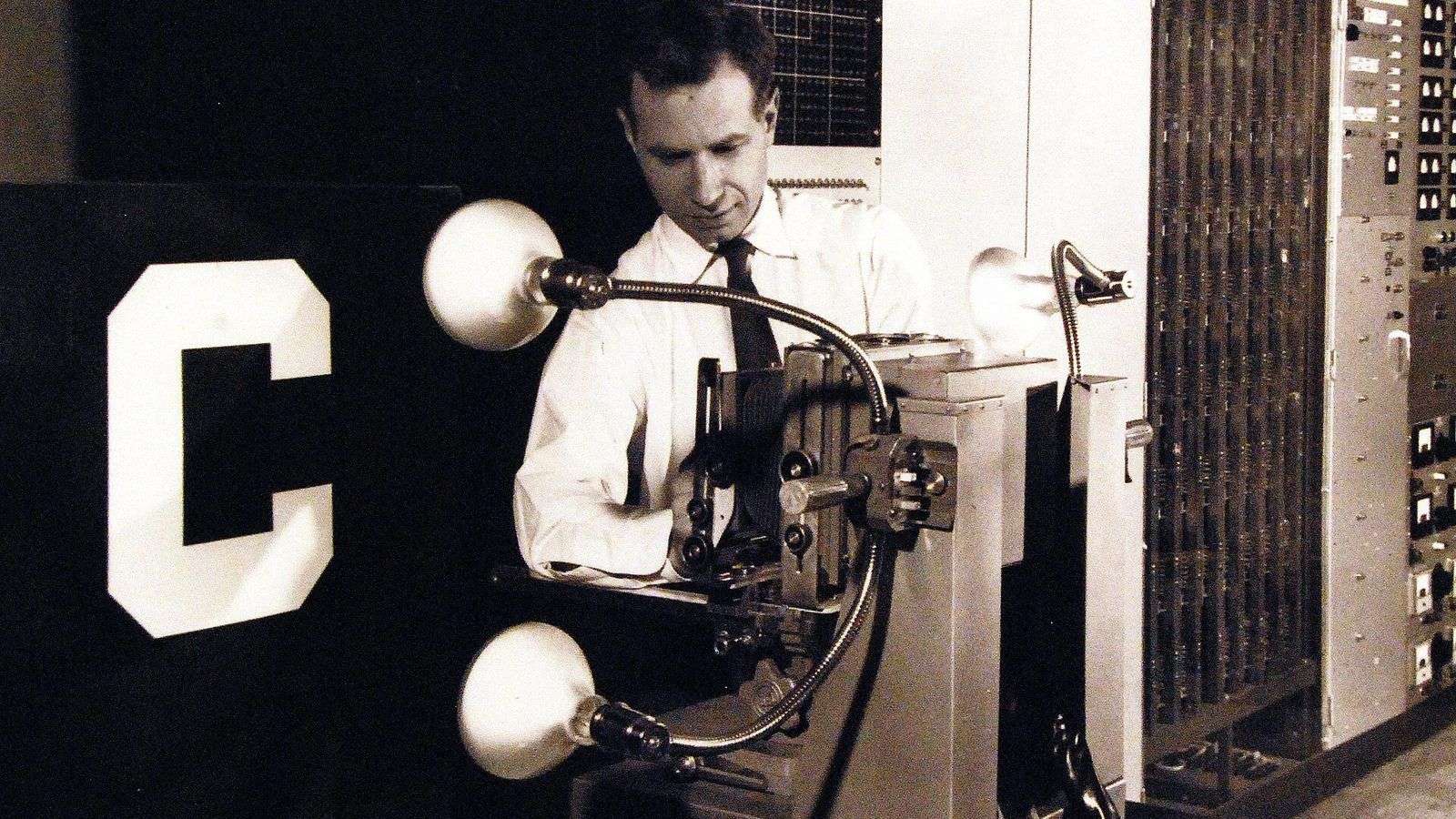
The XOR problem and the book that cooled a field
A function of two inputs that a single layer of weights cannot compute, a 1969 book that proved it, and the hidden layer of two neurons that answers it. Why the simplest counterexample in the field mattered so much.