
Search, planning, and probability
How a program finds the shortest route or the best move, and how it weighs evidence: Bayes' rule on a medical test, a spam filter by hand, chess before Go.
Articles

What you can do with an AI degree
Seven jobs that a degree in artificial intelligence, computer science, mathematics, or statistics leads to, with the institutions behind them, the share of a week spent on data, code, mathematics, and writing, and the honest words about how many stay in research.
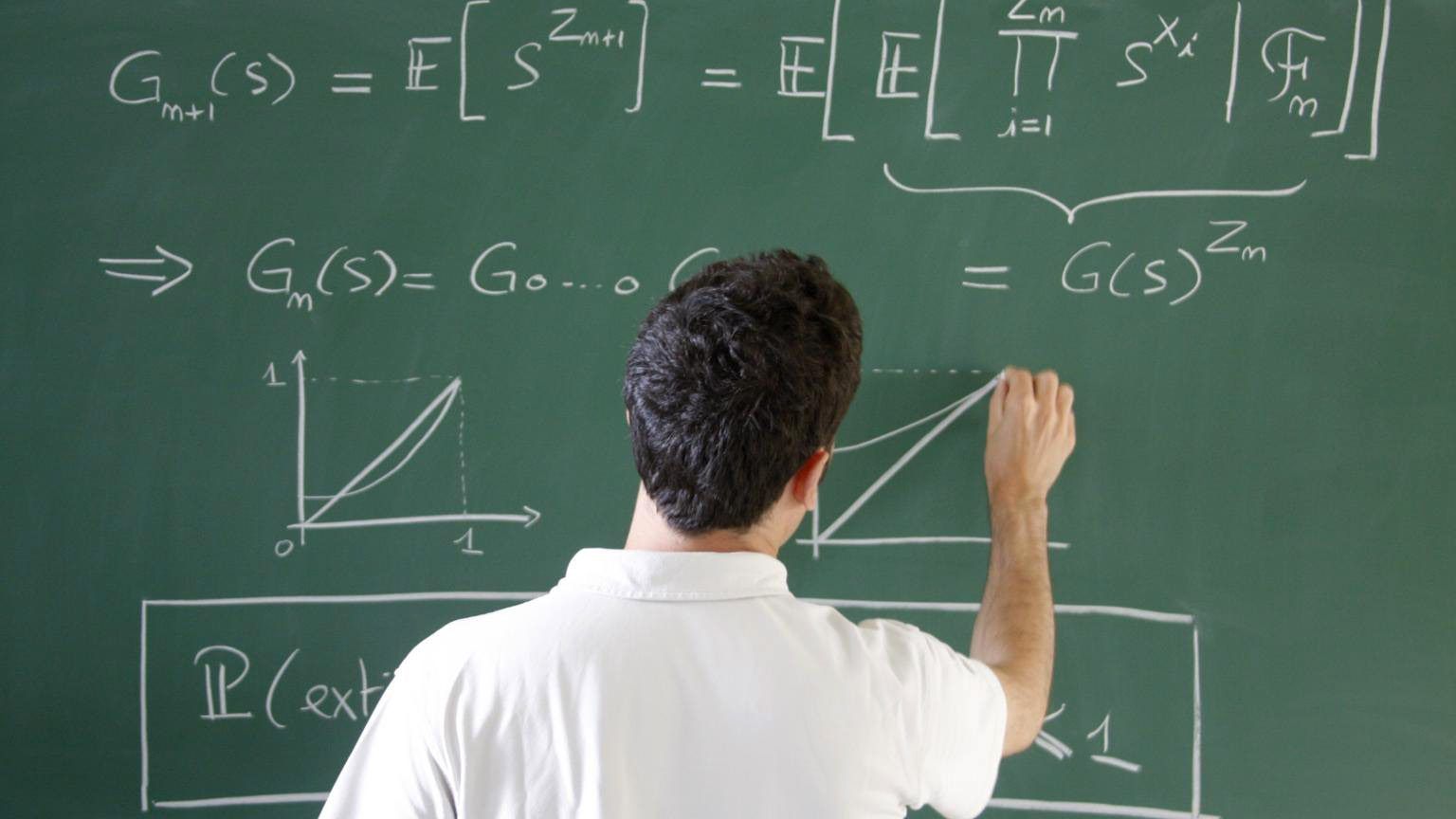
How to read an AI paper as a beginner
A machine learning paper is read in an order that is not the order it is printed in: the abstract, then the figures, then the main results table, then the ablations, and only then the method. The 2015 residual networks paper as the worked example, with the places where the caveats hide.
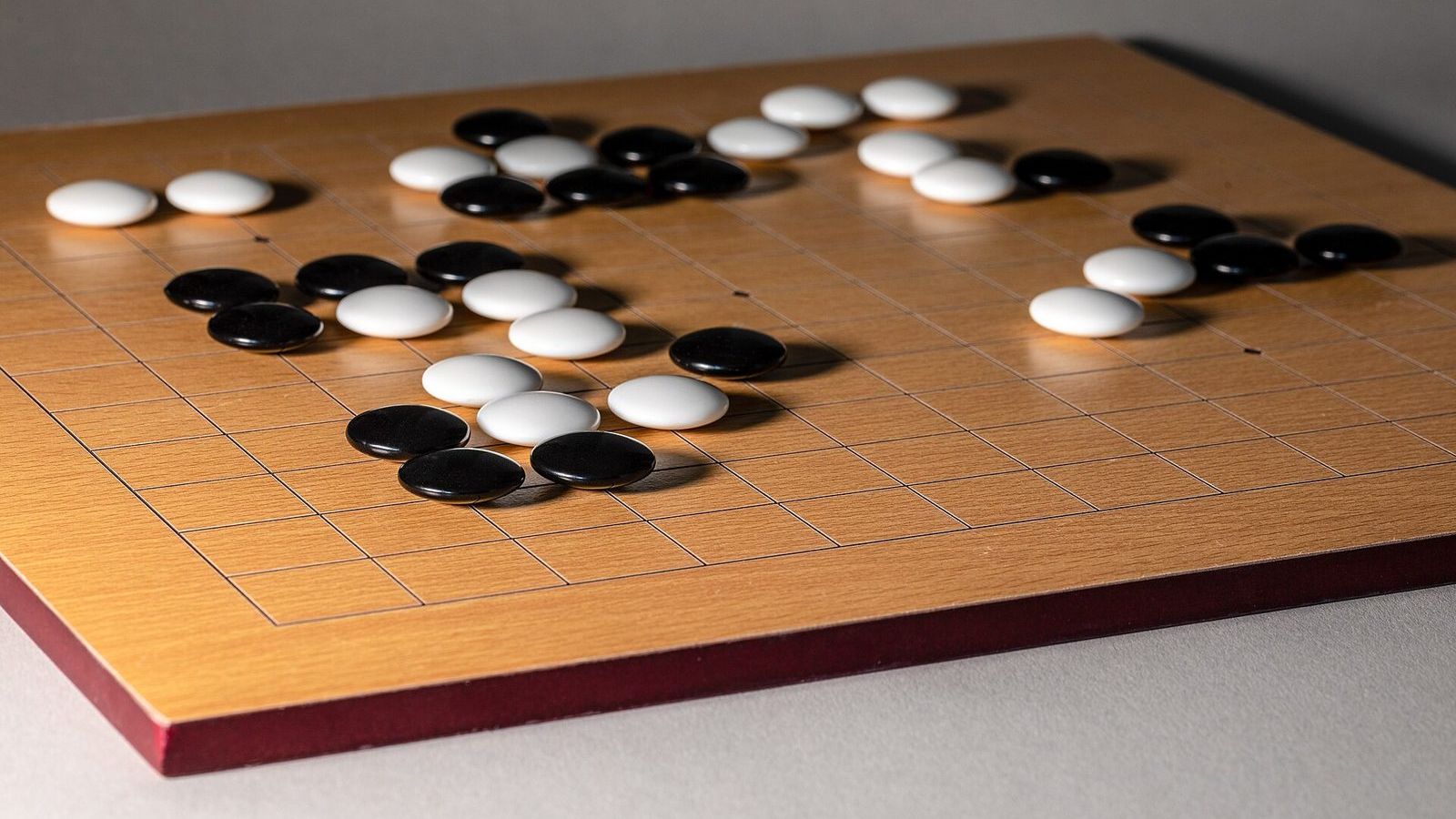
Move 37, the Go move no human would have played
On 10 March 2016, in the second game against Lee Sedol, AlphaGo placed a stone on the fifth line that its own policy network rated as a 1 in 10,000 choice for a human player. Commentators thought it was a mistake. It won the game.

How a spam filter decides
Six words, twenty emails, and a new message. A naive Bayes filter multiplies a handful of probabilities, adds one to every count so nothing is impossible, and works in logarithms so the numbers stay sane. Every step shown.
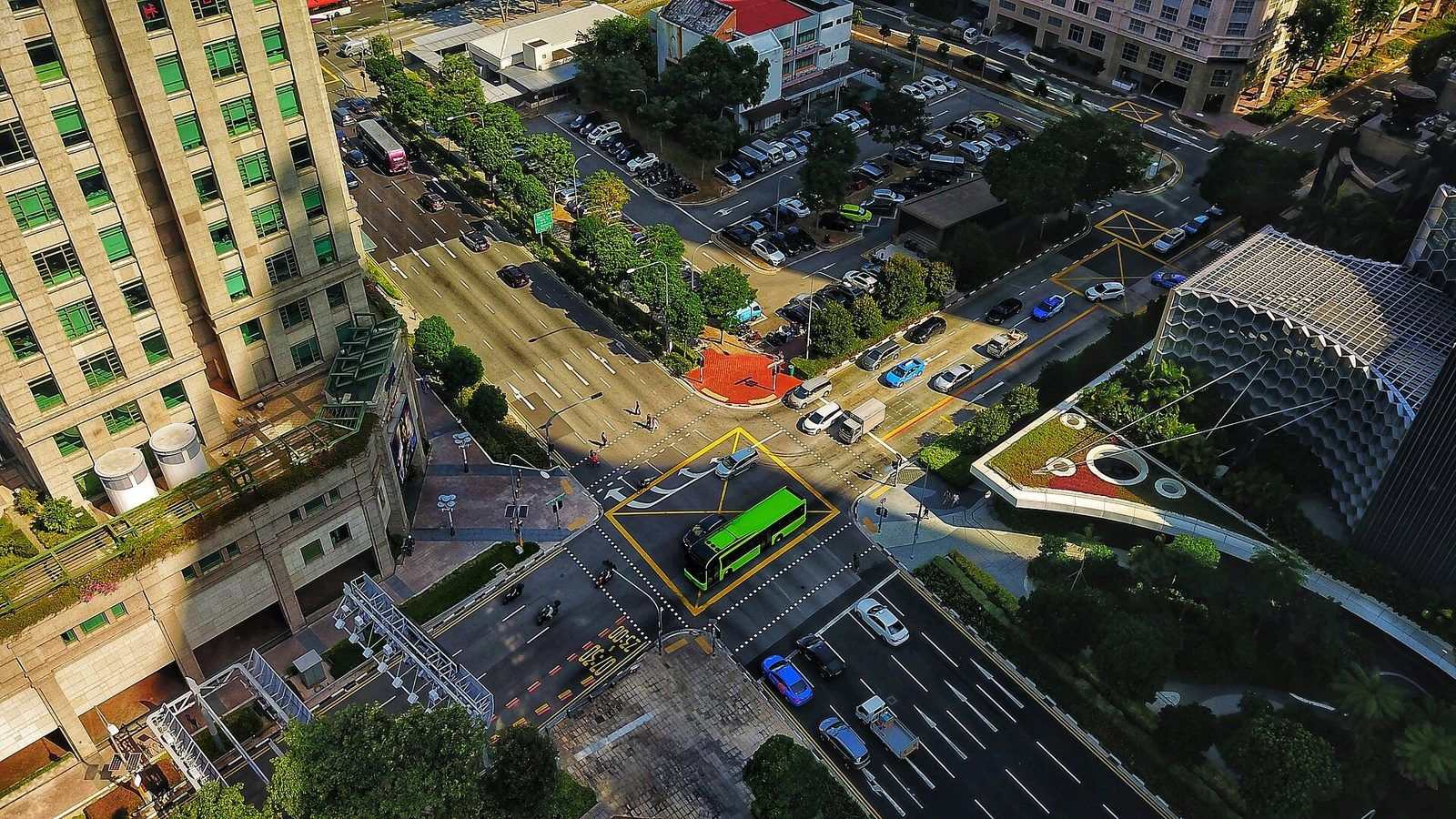
How a computer finds the shortest route
A route planner does not know the map. It explores it, one cell at a time, and the order of exploration is the whole art. Breadth-first search and A* on a 5 by 5 grid with a wall, the explored cells counted.
Why a positive test for a rare disease is usually wrong
A test that is right 95 per cent of the time, a disease that 1 person in 100 has, and a positive result. The chance you have the disease is about 16 per cent. Here is the arithmetic on 1,000 people, and what a second test changes.